Outdoor living spaces are often the heart of a home, providing relaxation, entertainment, and a connection to nature. For seniors, however, decks and patios can present safety challenges if they are not properly maintained or adapted to changing mobility needs. From slippery surfaces to uneven steps, small hazards can quickly become dangerous. Thankfully, a combination of thoughtful renovations and professional services can make these spaces safer, comfortable, and more enjoyable for older adults.
Below, we explore 11 practical improvements that can help seniors move safely and confidently in their outdoor living areas. Each tip focuses on real solutions, from structural repairs to accessible features, while highlighting services and products that can assist in making these upgrades easier.
1. Repair and Maintain Deck Surfaces
The foundation of a safe outdoor space starts with a solid, well-maintained deck. Over time, wood can warp, splinter, or rot, creating trip hazards for anyone using the area. Seniors, in particular, are more susceptible to falls on uneven surfaces. Regular deck repair is essential to address loose boards, cracks, or weakened structural supports. Even minor repairs can make a significant difference, preventing accidents and giving seniors greater confidence to move safely around the deck.
Hiring skilled professionals ensures that every aspect of the deck is carefully evaluated and any hidden issues are properly addressed. Professional deck services can include inspecting joists, replacing damaged planks, and ensuring fasteners are secure. Some homeowners may attempt minor fixes themselves, but hiring experts ensures the work is thorough and long-lasting. Additionally, deck surfaces can benefit from non-slip treatments or coatings to reduce the risk of slips during rainy or dewy conditions.
Maintaining your deck is not only about safety—it also preserves the aesthetics and longevity of the space. A sturdy, smooth deck encourages seniors to enjoy outdoor activities like gardening, relaxing in a chair, or hosting family gatherings without worry. Investing in routine inspections and timely repairs pays off by preventing accidents and costly replacements later.
2. Upgrade or Install Railing Systems

Railing systems play a critical role in outdoor safety, providing seniors with stability while navigating steps, stairs, or elevated platforms. Older decks often have railings that are loose, rusted, or too low, which can compromise safety. Working with a railing contractor ensures that new installations meet modern safety standards and are securely anchored.
Railing contractors can suggest options such as sturdy wooden rails, powder-coated metal, or tempered glass panels, depending on aesthetics and durability preferences. Adding intermediate rails or balusters can also prevent accidental slips, while smooth, rounded handrails reduce the risk of splinters.
Even existing railings can be improved with professional tightening, refinishing, or replacement of worn posts. A well-constructed railing provides seniors with confidence when walking along the deck, stepping down stairs, or leaning to enjoy a view. When combined with other improvements, such as repaired deck surfaces or proper lighting, railings create a safer, more comfortable outdoor experience.
3. Improve Lighting Throughout the Space
Adequate lighting is one of the most effective ways to prevent falls and accidents. Seniors are particularly vulnerable to uneven illumination, which can make obstacles like steps, garden beds, or furniture difficult to see. Installing ambient and task lighting along decks and patios ensures every area is visible during the evening hours.
Consider path lights, post-mounted lanterns, or motion-sensor lights near steps and entryways. Low-voltage LED lights can be energy-efficient while providing bright, even illumination. Incorporating lighting along railings and stairs also enhances visibility, helping seniors navigate safely without straining their eyes.
For those seeking professional assistance, electricians and outdoor lighting specialists can assess your layout, recommend optimal fixture placement, and ensure all wiring is safe and weather-resistant. Proper lighting not only prevents falls but also enhances the overall ambiance of the outdoor space, making evening gatherings safer and more inviting.
4. Install Stair Lifts for Elevated Areas
When decks or patios are raised above ground level, stairs can be a major barrier for seniors with limited mobility. Installing stair lifts offers a practical solution, allowing safe, effortless access without compromising independence. Stair lifts are designed to handle weight safely, glide smoothly along rails, and provide secure seating for the user.
Professional installers ensure the lift is correctly fitted to the staircase, taking into account slope, width, and landing space. Many stair lifts also feature safety sensors, remote controls, and foldable seats, allowing the stairway to remain functional for other family members.
Adding stair lifts to your outdoor spaces enables seniors to access decks, balconies, or split-level patios without risk of falls. It also reduces reliance on others for mobility support, which can increase confidence and enjoyment of outdoor areas. With the right lift, seniors can continue participating in gardening, dining, or social activities with ease.
5. Install Non-Slip Surfaces and Treatments

Outdoor decks and patios are exposed to weather, moisture, and debris, all of which can create slippery conditions. Seniors are particularly at risk for slips and falls, so investing in non-slip surface options is essential. There are a variety of solutions, including textured decking materials, anti-slip coatings, or adhesive strips for stairs and high-traffic areas.
A professional power washing service can also prepare surfaces for these treatments by removing moss, algae, or dirt that contribute to slipperiness. Cleaning the surface thoroughly before applying non-slip coatings ensures long-lasting adherence and performance.
Non-slip surfaces not only reduce the risk of falls but also add peace of mind for seniors enjoying outdoor meals, reading, or entertaining. Homeowners can combine this improvement with railings, stair lifts, and proper lighting to create a comprehensive safety strategy for elevated decks and patios.
6. Maintain and Upgrade Patio Doors
Entryways are a common hazard for seniors, particularly sliding or hinged patio doors that may be difficult to open or have uneven thresholds. Maintaining or upgrading these doors improves accessibility and reduces trip risks. Adjusting door alignment, lubricating tracks, or replacing worn weatherstripping ensures smooth operation.
Newer patio doors can include features such as low thresholds, wide openings, and easy-grip handles, making it easier for seniors to move between indoor and outdoor areas. Some homeowners also opt for doors with built-in locks that are easy to operate, reducing strain and frustration.
Professionals who specialize in door installation and repair can evaluate existing conditions, recommend adjustments, and install replacements tailored to the needs of seniors. Well-maintained patio doors enhance not only safety but also energy efficiency and overall comfort in your home.
7. Introduce Hardscaping Features
Incorporating services from expert hardscapers like walkways, retaining walls, and garden pathways can improve both safety and aesthetics. Smooth, level pathways reduce trip hazards, while retaining walls can stabilize sloped areas and prevent soil erosion. Properly designed hardscapes can also provide designated walking routes that guide seniors safely around patios, decks, and gardens.
Professional hardscaping services can suggest materials such as pavers, flagstone, or stamped concrete, balancing visual appeal with traction and durability. Even small improvements, like adding a gentle ramp or wider pathways, can significantly increase accessibility for seniors with mobility challenges.
Well-planned hardscaping complements other safety measures, such as lighting, railings, and non-slip surfaces, creating a cohesive, secure environment. Seniors can enjoy gardening, entertaining, or simply strolling outdoors without unnecessary risk of trips or falls.
8. Visit Garden Centers to Enhance the Area
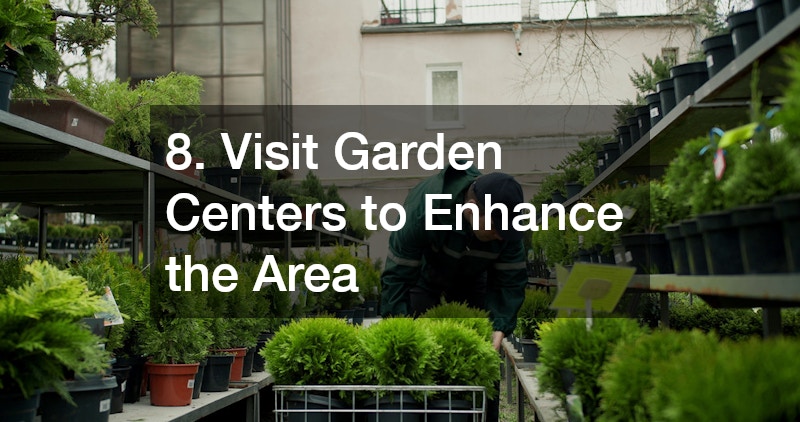
Garden centers can be invaluable resources when designing senior-friendly outdoor spaces. Beyond offering a wide variety of plants, many provide ergonomic gardening tools, raised planters, and accessible garden beds that minimize bending, stretching, and other movements that can strain joints. Raised beds, in particular, are ideal for seniors, allowing gardening from a seated position while maintaining safe, stable footing, making it easier to enjoy planting, watering, and harvesting without discomfort or risk of falls.
Many garden centers also carry outdoor furniture and accessories specifically designed with seniors in mind. Chairs with armrests, benches at comfortable heights, and lightweight, easy-to-move tables can enhance both comfort and safety. Staff can offer guidance on proper plant placement and garden layout, helping to prevent pathways from becoming obstructed or creating potential tripping hazards. They may also suggest low-maintenance plants or containers that reduce the need for frequent bending or lifting.
By incorporating accessible garden elements, seniors can continue enjoying outdoor hobbies with less physical strain and lower risk of accidents. When these solutions are combined with other safety improvements—such as deck repairs, railing updates, non-slip surfaces, and proper lighting—they contribute to a comprehensive approach for creating outdoor spaces that are both functional and enjoyable. Thoughtful planning allows seniors to maintain independence while making the most of their gardens, patios, and decks in a safe and comfortable way.
9. Hire Handymen for Routine Safety Upgrades
Even minor repairs or improvements can significantly enhance the safety of decks and patios for seniors. A skilled handyman can perform tasks ranging from tightening loose boards, replacing worn fasteners, or adjusting door thresholds to installing grab bars and minor lighting.
Hiring a professional ensures work is completed to code and reduces the likelihood of future hazards. Handymen often provide flexible services, handling multiple small projects in a single visit. This is especially helpful for seniors who may struggle to manage frequent maintenance themselves.
Routine inspections and upgrades by a handyman can prevent accidents before they occur, keeping decks, stairs, and patios in optimal condition. Regular attention to minor details—like repairing a loose step or securing a handrail—makes a big difference in overall safety and peace of mind.
10. Apply Protective Coatings and Painting
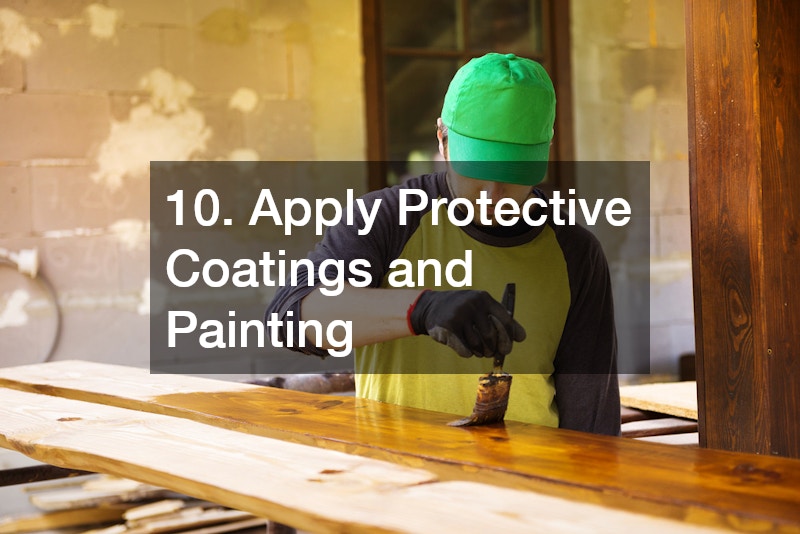
Exterior surfaces exposed to the elements naturally degrade over time, leading to splinters, cracks, or slippery conditions that can pose risks for seniors. Hiring local exterior painters to refresh decks, railings, or patio trim not only revitalizes the look of outdoor spaces but also adds a protective layer that safeguards the underlying materials. Properly applied paint or sealant shields wood and other surfaces from moisture, UV damage, and everyday wear, helping to prevent costly repairs down the line.
Beyond improving aesthetics, these coatings can be carefully selected for added durability or slip resistance, enhancing safety for seniors navigating outdoor areas. Experienced painters can spot problem spots, prepare surfaces thoroughly, and apply finishes that last, ensuring the space remains both attractive and secure. When combined with other improvements like deck repairs, power washing services, and non-slip treatments, repainting becomes part of a comprehensive approach to outdoor maintenance.
Regular repainting and sealing not only help prevent accidents but also extend the lifespan of decks, railings, and patios, preserving your investment while maintaining a welcoming environment. A well-maintained exterior creates a safer, more comfortable space where seniors can enjoy gardening, relaxing, or entertaining without worry. Thoughtful attention to both safety and aesthetics ensures outdoor areas remain functional, inviting, and long-lasting for years to come.
11. Add Accessibility Features for Stairs and Transitions
Outdoor spaces often involve changes in elevation, which can pose hazards for seniors. Adding ramps, handrails, or intermediate steps can improve safety and accessibility. Installing stair lifts or gentle ramps ensures older adults can navigate transitions without risk of falls.
Other small adjustments, such as contrasting color strips on stair edges, tactile indicators, or wide step treads, can make a significant difference. Even minor enhancements, like removing uneven pavers or smoothing thresholds, contribute to safer navigation.
A combination of accessibility-focused features—alongside deck repairs, railings, lighting, and professional services—creates a space where seniors can move confidently. The goal is to maintain independence while reducing hazards, allowing outdoor areas to remain enjoyable, functional, and secure for everyone.
Creating a safe and enjoyable outdoor space for seniors is about combining thoughtful design with practical, well-planned improvements. It involves more than just fixing worn surfaces—it’s about anticipating potential hazards and making changes that promote ease of movement, stability, and peace of mind. Enhancements such as sturdy stairways, well-placed lighting, and carefully designed pathways all contribute to reducing the risk of accidents while encouraging seniors to stay active and engaged in their outdoor environment.
These upgrades do more than improve safety—they foster independence. Seniors can move freely across decks and patios, enjoy gardening, relax in the fresh air, or host family gatherings without feeling restricted or anxious about potential dangers. Incorporating accessibility features and comfortable seating areas ensures that outdoor living spaces remain usable and welcoming, regardless of mobility limitations.
With consistent maintenance and strategic enhancements, outdoor areas can transform into spaces that are not only secure but also inviting and aesthetically pleasing. Thoughtful planning ensures that decks and patios support both physical safety and emotional well-being, allowing seniors to fully enjoy the beauty of their surroundings. Over time, these improvements help create an environment where independence, comfort, and confidence coexist, making outdoor living an enriching and worry-free experience for years to come.