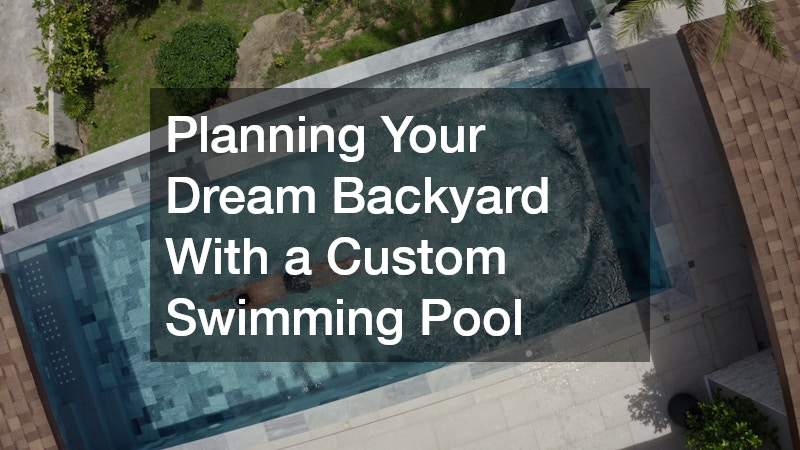
There is a unique kind of magic that happens when you step out of your back door and into a private sanctuary designed specifically for your lifestyle. In 2026, the concept of the backyard has evolved far beyond a simple patch of grass with a grill; it has become a sophisticated extension of the home, a place where wellness, entertainment, and relaxation converge. Adding a custom aquatic feature to this space is perhaps the most significant transformation a homeowner can undergo. It is an investment in your property’s value, certainly, but more importantly, it is an investment in the quality of your daily life.
The journey from a blank slate of dirt to a shimmering oasis is a complex one, involving intricate engineering, rigorous safety standards, and a keen eye for design. This guide is intended to walk you through every nuance of that journey. We will explore how to select the right partners, navigate the technical hurdles of construction, and establish a maintenance routine that keeps your water crystal clear for decades to come. Whether you are starting from scratch or breathing new life into an aging structure, the goal remains the same: creating a space that feels like a vacation every time you step outside.
Finding the Right Visionary Partner for Your Project

The success of a custom backyard project hinges almost entirely on the expertise and integrity of the team you assemble. This is not the type of project where you want to hunt for the lowest possible bidder. In the world of high-end masonry and hydraulics, you truly get what you pay for. A custom build requires a blend of artistic vision and structural engineering that not all contractors possess. Your first task is to differentiate between “cookie-cutter” installers who repeat the same three designs and true craftsmen who take the time to understand your property’s unique topography.
When you begin your search, look for a local pool company that has a permanent physical presence in your community. A storefront or a dedicated design center is a sign of stability; it means they will likely be around to honor their warranties five or ten years down the line. During your initial interviews, ask to see a “live” portfolio. Don’t just look at glossy, edited photos on a website—ask if they have a current project under construction that you can visit. Seeing a site during the rebar or plumbing phase tells you much more about a company’s attention to detail than a finished photo ever could.
Once you have narrowed down your list, focus on the credentials of the lead designer or the pool builder overseeing the project. Professional certifications are a major indicator of quality. Look for memberships in trade organizations that require ongoing education and adherence to strict ethical codes. A high-quality partner will provide:
-
3D Conceptual Rendering: They should be able to show you exactly how the new feature will look against your existing home architecture before a single shovel hits the ground.
-
Detailed Hydraulic Plans: They should explain how water will move through the system to ensure there are no “dead zones” where algae can grow.
-
Comprehensive Project Timelines: A professional will give you a realistic window for completion, accounting for permit approvals and weather delays.
-
Transparent Financials: The contract should be broken down into “draws” or progress payments, so you only pay for work that has been completed and inspected.
Effective communication is the bedrock of this partnership. If a contractor is slow to return your calls during the sales phase, they will likely be even slower when the backyard is a muddy pit, and you have questions about the plumbing. Choose a partner who values your input and treats the project as a collaborative effort.
Navigating the Logistics of Your Site and Layout
Once you have selected your team, the focus shifts to the physical realities of your land. Every backyard has its own “personality”—some have sandy soil that is easy to excavate, while others sit on top of solid bedrock or have high water tables that require specialized drainage systems. A professional site assessment is the first step in a successful swimming pool installation, as it identifies these hidden challenges before they become expensive mid-project surprises.
The layout of your new feature should be dictated by how you plan to use it. If you have young children, you might prioritize large “baja shelves” or “tanning ledges” where they can play in six inches of water. If you are an athlete, a long, narrow lap lane might be the priority. For those who already have an existing structure that has seen better days, the conversation might shift toward pool remodeling services. Modern technology allows us to strip an old, cracked plaster shell and replace it with high-end glass tile, pebble finishes, and energy-efficient equipment that makes an old pool feel brand new.
During this phase, consider the “flow” of your backyard:
-
Sun Exposure: Track where the sun hits your yard throughout the day. You want your lounge area in the sun, but you might want a built-in umbrella sleeve in the water for shade.
-
Wind Patterns: Prevailing winds can push surface debris into certain corners. A smart layout places the skimmers in the direct path of the wind to make cleaning easier.
-
Equipment Placement: The pumps and heaters are noisy. Plan to tuck them behind a sound-dampening wall or a row of thick evergreen trees away from the main socializing areas.
-
Hardscaping Transitions: The deck material should transition seamlessly from your back porch to the water’s edge, using non-slip materials like travertine or textured pavers that stay cool under the summer sun.
Construction is a messy, loud process, but seeing the steel cage take shape and the plumbing lines being pressure-tested is an exciting experience. A professional installation team will keep the site as clean as possible, ensuring that your neighbors aren’t inconvenienced and that your existing landscaping is protected as much as possible from heavy machinery.
Prioritizing Safety Standards and Power Requirements

In many jurisdictions, the most strictly regulated part of a backyard build isn’t the water itself, but the safety measures surrounding it. Most insurance providers and local building departments require a permanent pool fence that meets specific height and latching requirements. This is a non-negotiable step in protecting your family and your guests. Modern fencing options have come a long way from the basic chain-link of the past; you can now choose from frameless glass panels that provide an unobstructed view of the water or ornamental wrought iron that adds a touch of classic elegance to the property.
While the fence provides a physical barrier, the electrical system provides the functional heart of the oasis. Because water and electricity are a dangerous combination, you must insist on using specialized pool electricians for every part of the power grid. These professionals understand the critical importance of “bonding”—the process of connecting all metal components of the pool together to ensure there is no electrical potential difference between them. This prevents the risk of shock from metal ladders, lights, or even the water itself.
When designing your electrical plan, think about the future:
-
Automation Panels: Install a sub-panel that can handle future additions, such as an outdoor kitchen, a sound system, or an electric heater for a spa.
-
LED Lighting: Modern LED systems allow you to change the color of your water from your smartphone, creating different moods for dinner parties or late-night swims.
-
GFCIs and Grounding: Ensure every circuit is protected by a Ground Fault Circuit Interrupter that trips instantly if it detects a leak.
-
Smart Integration: Use a central controller that allows you to turn on the heater or the waterfall while you are still at work, so the backyard is ready the moment you walk through the door.
Safety and power aren’t just about meeting the bare minimum of the law; they are about creating an environment where you can truly relax because you know the system is engineered to the highest possible standards. Never cut corners on these invisible but essential components of your build.
Mastering the Science of Water Management and Activation
The moment of truth in any project is the “fill.” Once the interior finish—whether it is smooth plaster, a quartz aggregate, or a pebble-tech surface—is applied, the clock starts ticking. The surface must be submerged in water immediately to prevent cracking or “crazing.” For large-scale projects, relying on a standard garden hose can take days, which can lead to unsightly rings or uneven curing of the finish. This is where professional pool filling companies become invaluable. They can deliver tens of thousands of gallons of pre-balanced, clean water via tanker trucks, filling your basin in a matter of hours.
Once the water is in, the focus shifts to the “lungs” of the system: the pool water filtration system. In 2026, we have moved beyond simple sand filters. Most high-end custom builds now utilize oversized cartridge filters or Diatomaceous Earth (DE) systems that can trap particles as small as 2 to 5 microns. A high-efficiency filtration system, paired with a variable-speed pump, can save you hundreds of dollars a year in electricity while keeping the water so clear it looks like air.
Understanding the initial chemistry of your water is vital during the first thirty days:
-
pH Balancing: New plaster is highly alkaline and will cause your pH to spike. You must test and adjust the acid levels daily during the initial “hot” period.
-
Calcium Hardness: If your water is too soft, it will “eat” the minerals out of your new finish, leading to a rough, pitted surface.
-
Total Alkalinity: This acts as a buffer for your pH, preventing it from swinging wildly and irritating the eyes of swimmers.
-
Sanitization Strategy: Decide early if you want a traditional chlorine system, a salt-chlorine generator, or an advanced UV/Ozone system that reduces the need for chemicals by up to 90%.
The “startup” phase is a delicate time. Your builder should provide a detailed “startup” sheet that outlines exactly how to brush the walls and when to add specific chemicals. If this phase is handled correctly, your interior finish will remain smooth and vibrant for fifteen to twenty years. If it is ignored, you may find yourself needing a resurfacing job in less than five.
Preserving Your Investment Through Consistent Care

A custom backyard is a living, breathing ecosystem. Just like a high-end car or a lush garden, it requires consistent attention to perform at its peak. While many homeowners enjoy the therapeutic ritual of skimming the surface or testing the water, others prefer to outsource the labor to professional pool services. A weekly service technician doesn’t just vacuum the floor; they check the pump seals, empty the “hair and lint” pots, and ensure the heater is firing correctly. They are your early-warning system for potential mechanical issues.
Even if you hire a pro, every homeowner should maintain a well-stocked inventory of swimming pool supplies to handle the unexpected. If a summer storm blows a pile of leaves into the water or a heavy rainstorm dilutes your chlorine levels, you need to be able to act immediately to prevent an algae bloom. Keeping a few bags of “shock,” a bottle of algaecide, and a high-quality test kit on hand is essential insurance for your water quality.
To keep your backyard pristine, establish a “seasonal” rhythm:
-
Spring Opening: Deep-clean the filters, inspect all O-rings for cracks, and perform a “super-chlorination” to kill any winter pathogens.
-
Summer Peak: Test the water twice a week during periods of high heat or heavy use. Check the water level daily; evaporation can cause the pump to suck in air, which can lead to motor failure.
-
Autumn Prep: As leaves begin to fall, keep the skimmer baskets clear. Decaying organic matter is the primary cause of staining on new plaster.
-
Winterization: If you live in a climate with freezing temperatures, ensure the lines are blown out and the equipment is drained to prevent thousands of dollars in pipe-bursting damage.
Consistency is the secret to a stress-free ownership experience. If you spend fifteen minutes a week on basic maintenance, you will rarely have to spend hundreds of dollars on “rescue” chemicals. A well-maintained feature isn’t just a place to swim; it’s a source of pride and a centerpiece for your home’s outdoor identity.
Conclusion: Your Personal Oasis Awaits

The transition of your backyard from a simple outdoor space into a custom aquatic retreat is one of the most rewarding home improvements you can undertake. It is a process that demands a commitment to quality, a respect for the technical requirements of water management, and a willingness to plan for the long term. From the very first conversation with your design team to the day you stock your equipment shed with the necessary tools for upkeep, every step is a building block toward a more relaxing lifestyle.
When the construction noise fades and the water finally settles into a perfect, glass-like sheet, you will realize that the value of this project isn’t found in the resale price of your home—though that certainly increases—but in the moments of peace it provides. It is found in the family barbecues, the quiet morning laps, and the evening glow of the underwater lights against the stone.
By choosing the right experts, prioritizing safety, and committing to a rigorous standard of care, you ensure that your investment remains a source of joy rather than a source of stress. Your backyard is now more than just land; it is a destination. Dive in, relax, and enjoy the sanctuary you have built. Your personal oasis is finally ready.